

Soil Tests for Urban Parks
Research generously funded by the Landscape Architecture Canada Foundation
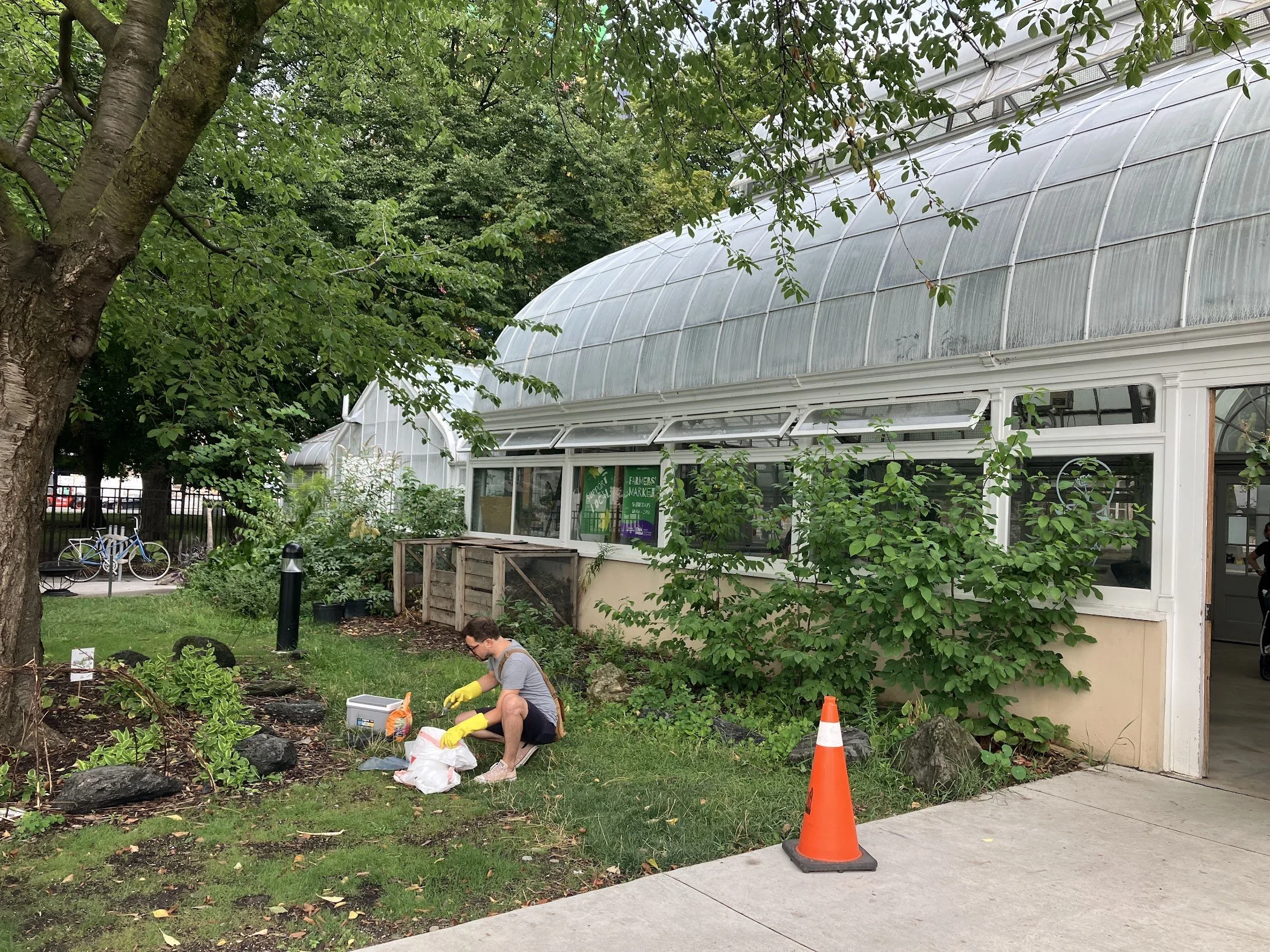
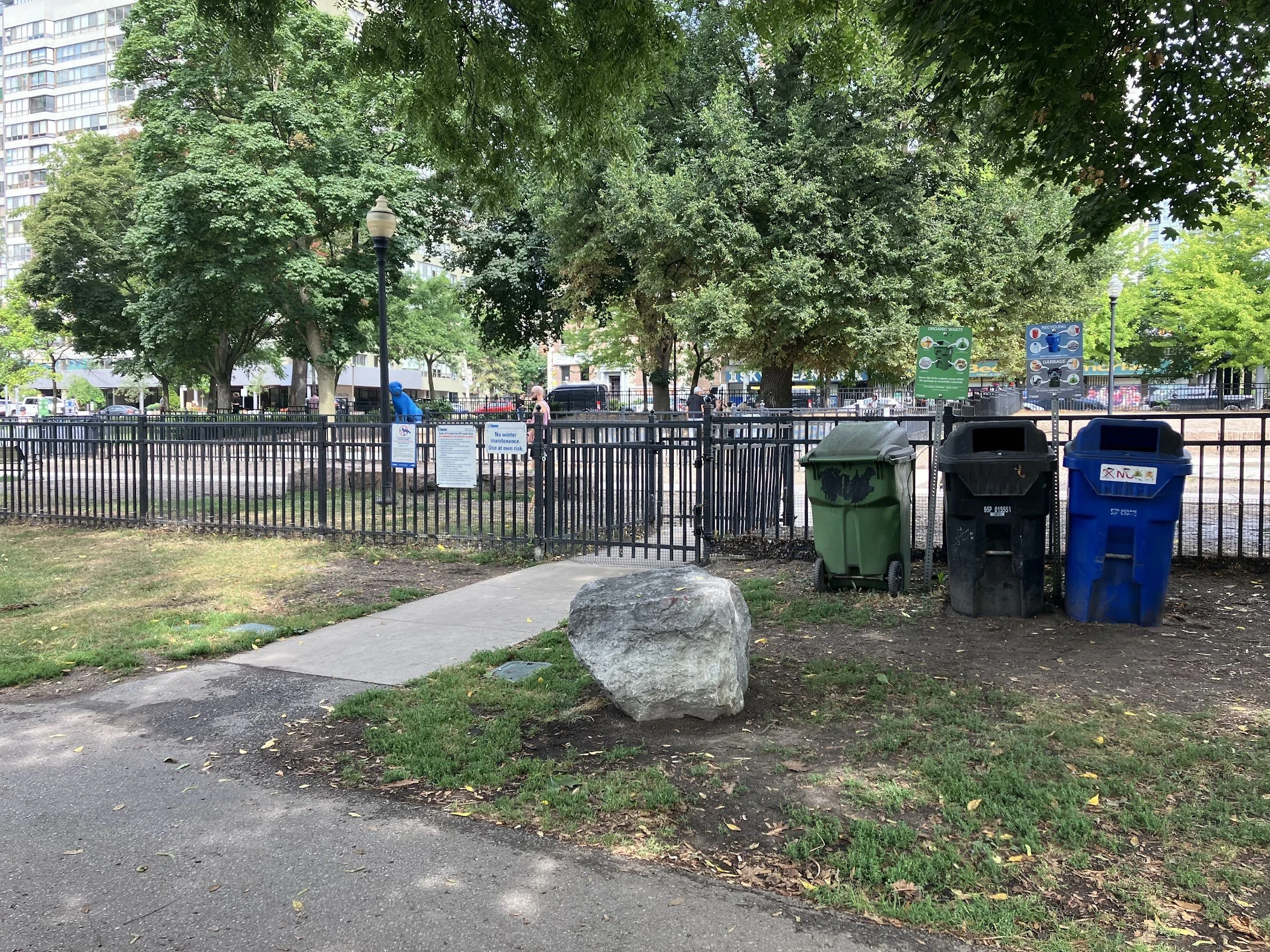
This research project, funded by the Landscape Architecture Canada Foundation, examined the ecological impacts of dog activity in Allan Gardens, a highly frequented downtown Toronto park with diverse users. Observational studies revealed that dogs utilize the entire park rather than remaining within the designated off-leash area. Based on these findings, we collected soil samples from four high dog-use locations and one control site inaccessible to dogs.
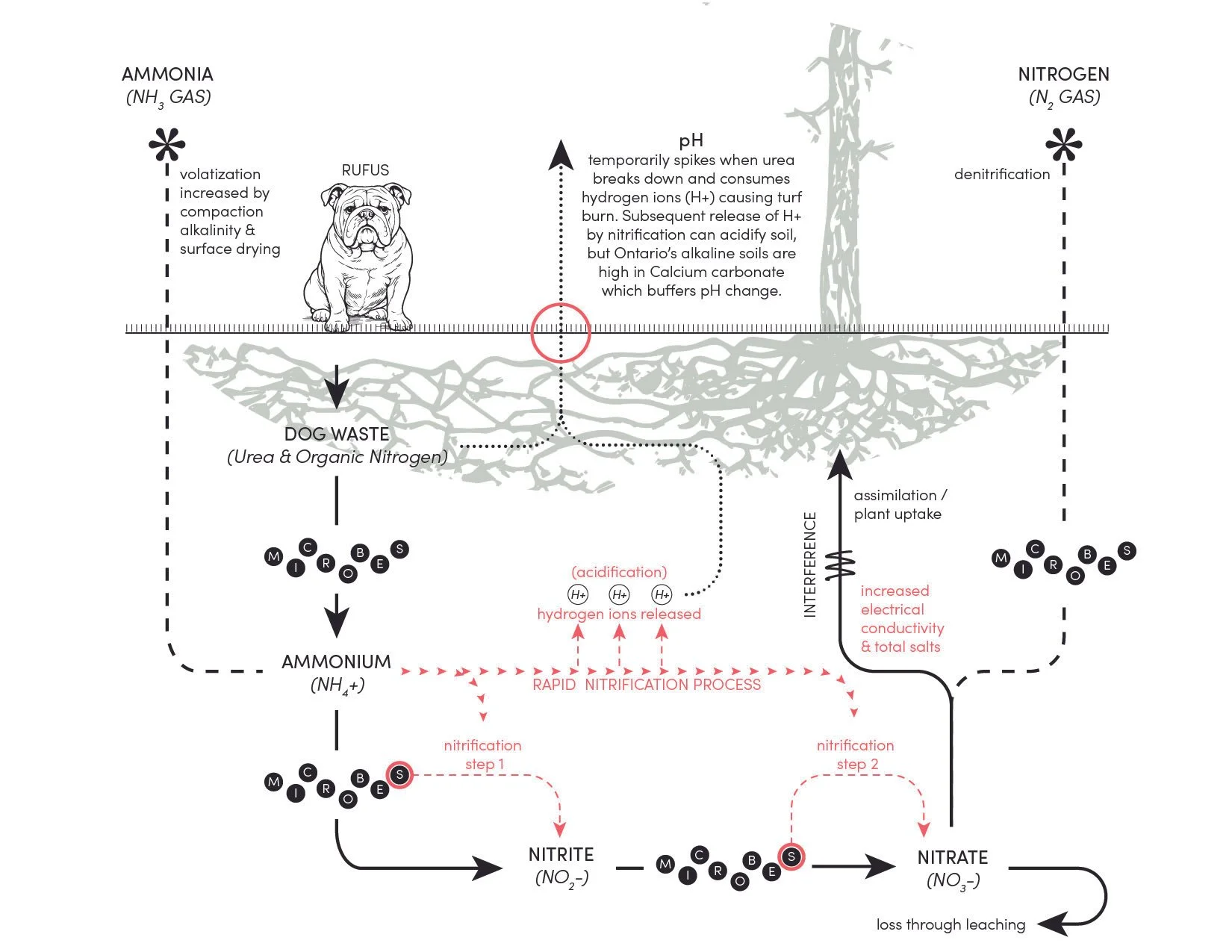
To evaluate potential changes in soil chemistry, we collaborated with Jack Legg at SGS Canada to develop a custom soil analysis. Tests measured Nitrate Nitrogen, Ammonium, total salts, and Kjeldahl Nitrogen, providing insight into nutrient loading and salinity shifts associated with canine presence.
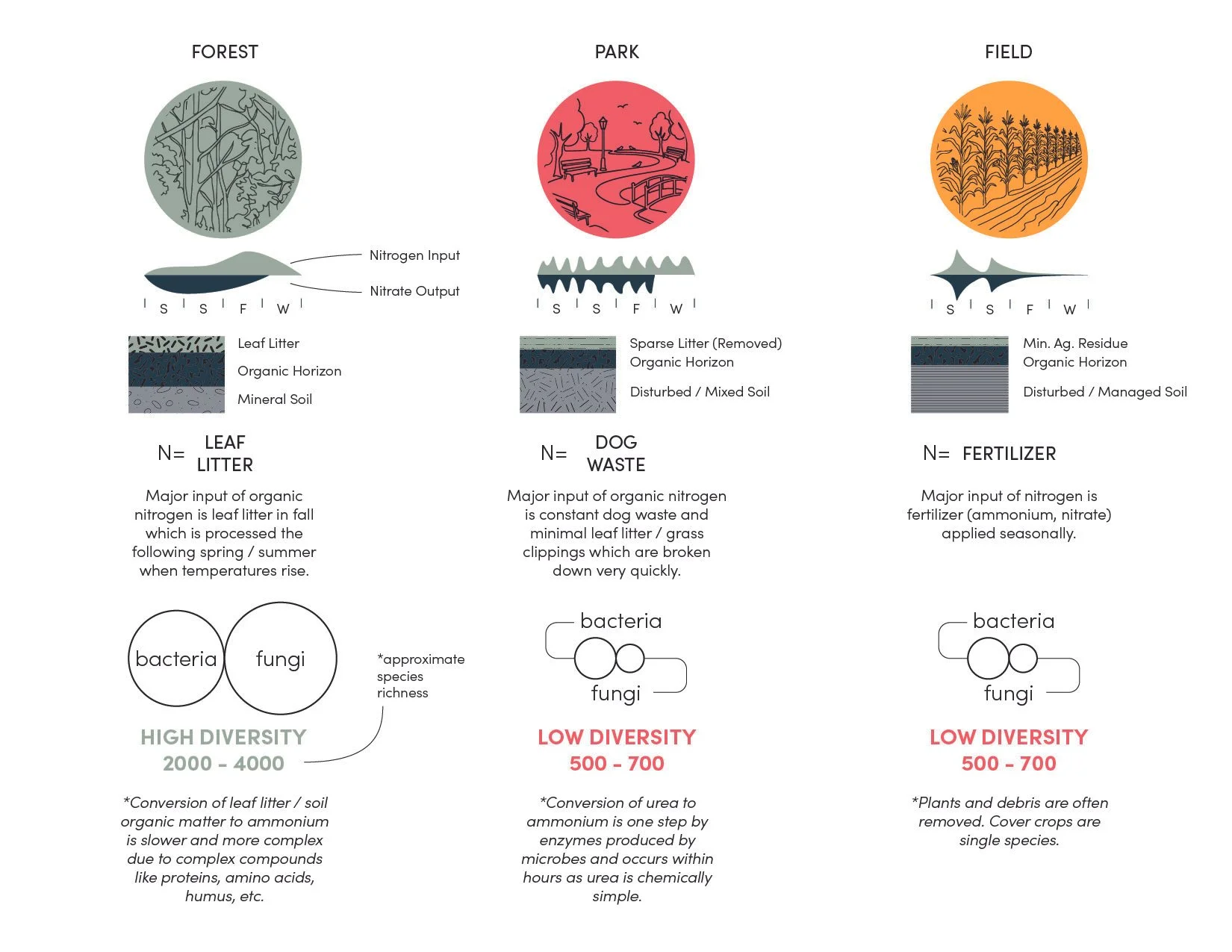
Recognizing that soil health extends beyond chemistry, we partnered with Michael Lynch at Metagenom Bio to conduct DNA-based microbial and fungal assessments. Composite samples were analyzed to detect variations in microbial diversity and activity, offering a deeper understanding of how dog use influences soil ecosystems.
This integrated approach—combining observational data, chemical testing, and genomic analysis—provides a foundation for evidence-based strategies to manage urban parks for ecological resilience while accommodating the needs of all users, including dogs.
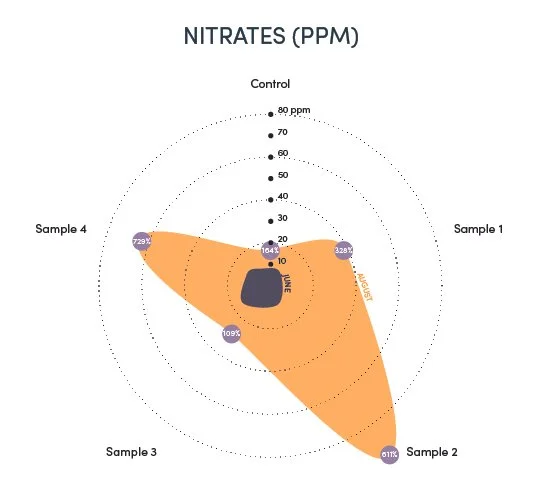
Changes in Nitrate levels from June to August
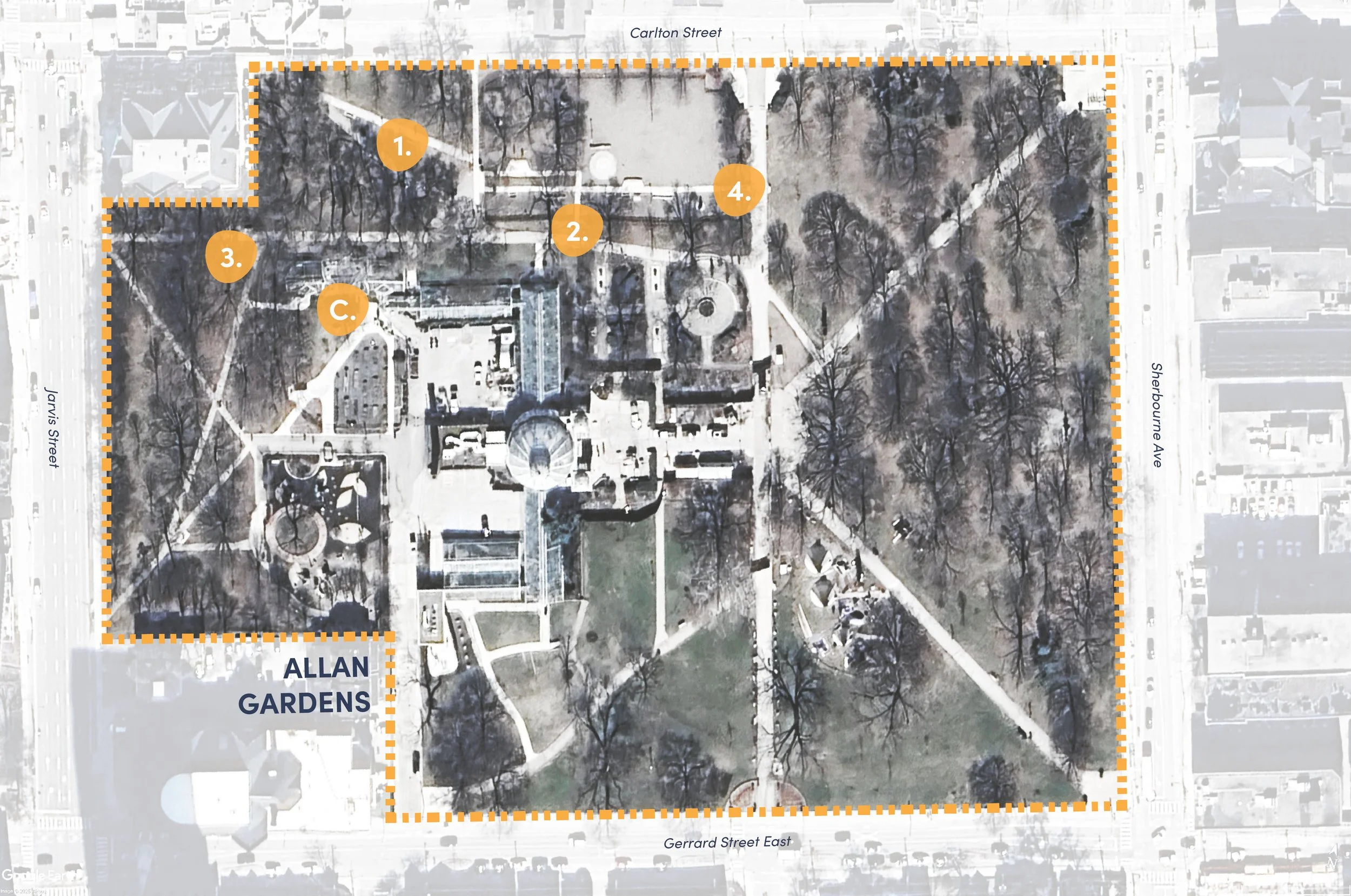
Map of sampling sites
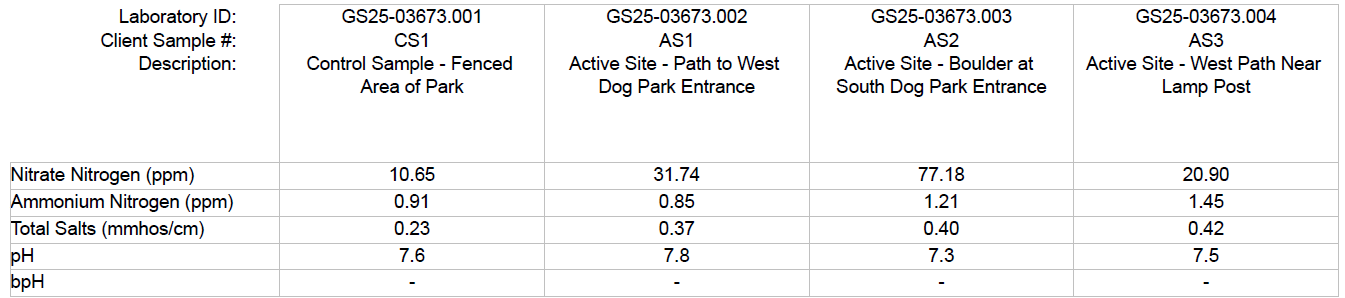
August chemical soil test results
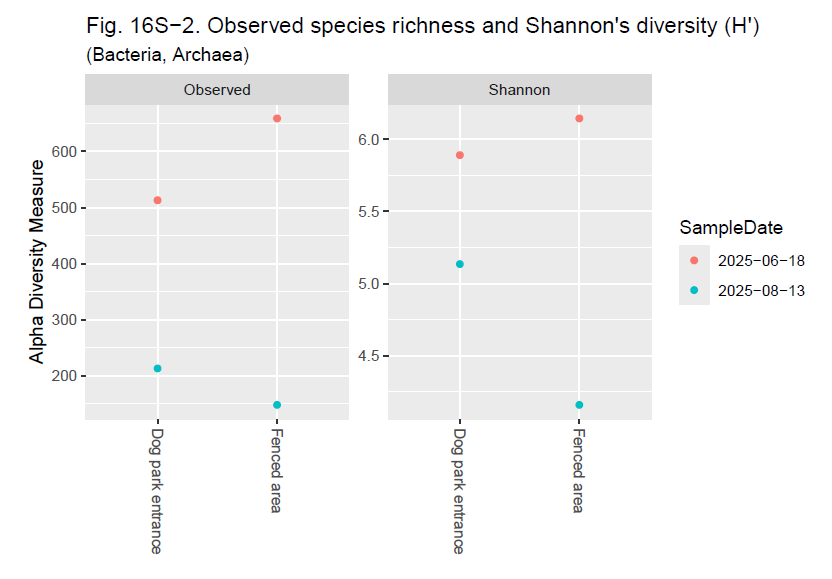
Archaeal bacteria species diversity across sample sites
PROJECT TEAM
Fieldwork: Tyler Bradt & Katie Strang
WITH SUPORT FROM:
SGS Ag Labs: Jack Legg
Metagenom Bio: Michael Lynch
Grant Support: Michael Ormston-Holloway, Rob Wright
Allan Gardens: Matt Canaran
City of Toronto: Heidi Weidelich
Grant funding generously provided by Landscape Architecture Foundation Canada